

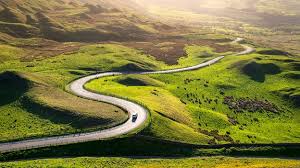
The Open Road There is a unique magic that happens when hunger meets the horizon. It’s not the quest for a five-star reservation, but the pursuit of something real, authentic, and tied inextricably to the landscape speeding by your window. This is the world of road food—the unsung, the unexpected, and the utterly delicious sustenance found along highways, backroads, and main streets everywhere. It is cuisine in motion, a democratic dining experience where the billionaire and the budget traveler stand side-by-side, united by the promise of a perfect bite. This journey isn’t about mere refueling; it’s a conscious exploration of culture, community, and connection, one plate at a time. The Open Road
Beyond the sterile predictability of chain rest stops lies a vibrant ecosystem of flavor. Road food tells the story of a place. It’s the tang of Carolina vinegar-based barbecue pulled from a smoky pit just off I-95, the satisfying crunch of a fresh lobster roll from a Maine coastal shack on Route 1, or the celestial warmth of a green chile stew from a New Mexico pueblo vendor near Highway 25. Each meal is a chapter, each snack a footnote in the grand narrative of your trip. To seek out road food is to engage directly with the soul of your journey, to taste the terrain, and to collect memories that are far more lasting than any souvenir.
The search for great road food is an adventure in itself, often leading to timeless spots filled with character.
This guide is your trusted companion for that adventure. We will navigate the different temples of road food, from the nostalgic diner to the nomadic food truck. We’ll delve into the iconic regional specialties that are worth building a detour around, and equip you with the strategies to find the very best local gems. We’ll also tackle the practicalities—eating well on a budget, staying safe, and making the experience enjoyable for the whole crew. So, buckle up, roll down the windows, and let your appetite lead the way. The Open Road
The Pillars of the Pavement: Understanding Road Food Venues
The first step in mastering the art of the road food hunt is to know where to look. The landscape is dotted with distinct types of establishments, each offering a different vibe, menu, and slice of local life. Recognizing these pillars is key to curating a varied and satisfying culinary road trip. The Open Road
The All-American Diner: A Temple of Comfort
No discussion of road food can begin without paying homage to the diner. More than just a restaurant, the classic diner is a cultural institution, a beacon of stainless steel and neon promising sanctuary to the weary traveler. Stepping inside is a step back in time—the clatter of dishes, the vinyl booth squeak, the thick porcelain mug of coffee refilled endlessly by a server who calls you “hon.” The menu is a testament to comfort: towering stacks of fluffy pancakes drenched in maple syrup, patty melts sizzling on the griddle, club sandwiches with precise toothpick architecture, and mile-high pies under glass domes. The diner’s genius lies in its consistency and its role as a community hub. You go for the hearty, no-fuss plates that have fueled generations of road travelers, and you stay for the palpable sense of place. The Open Road
The Food Truck & Street Cart: Innovation on Wheels
If the diner represents the timeless heart of road food, the modern food truck is its innovative and ever-evolving spirit. This is where culinary boundaries are pushed, where fusion is born, and where you can circumnavigate the globe in a single city block. From artisanal tacos and Korean BBQ burritos to vegan soul food and decadent gourmet donuts, food trucks are the bleeding edge of the road food scene. They are agile, often sourcing hyper-locally and responding to trends with lightning speed. Finding a cluster of food trucks—a “pod”—is a guaranteed way to please a car full of diverse cravings. The experience is immediate, often interactive, and deeply connected to the local culinary pulse of a city or town. The Open Road
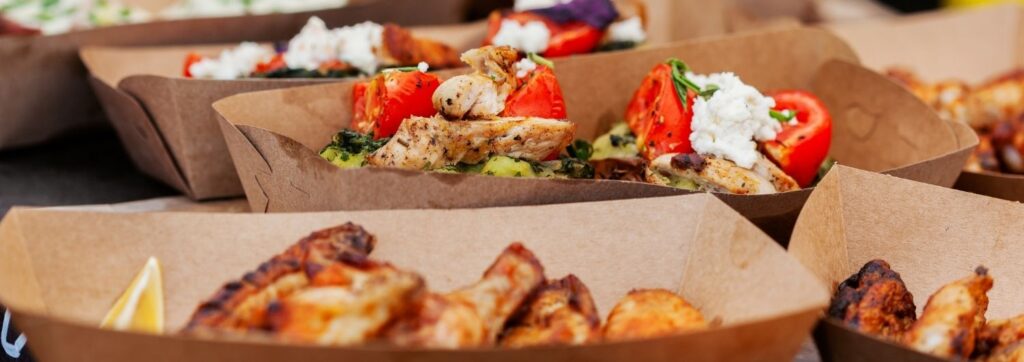
Modern food trucks are revolutionizing road food with creative, high-quality, and globally-inspired dishes.
The Roadside Stand & Farmers’ Market: The Source Direct
For the purest, most unadulterated taste of a region, nothing beats the roadside farm stand or a local farmers’ market. This is road food in its most elemental form. It’s the sun-warmed sweetness of a just-picked peach in Georgia, the crisp snap of an apple in Washington’s Yakima Valley, or the earthy scent of fresh corn in Iowa. These stops offer more than snacks; they offer a direct connection to the land and the people who work it. You might find jars of local honey, homemade jams, fresh-pressed cider, or bundles of seasonal vegetables. Incorporating these fresh, local products into your journey—perhaps for a picnic lunch—is a healthy, economical, and profoundly satisfying way to eat on the road. The Open Road
The Iconic “Must-Stop” Joint: Legends of the Highway
Every region has them: those legendary spots whose reputation transcends their location. They are the destinations in themselves. It might be a specific barbecue shack in Texas where the brisket has been smoked the same way for 70 years, a quirky pie palace in the middle of nowhere with hundreds of varieties, or a historic drive-in that invented a famous burger. These places are pilgrimage sites for road food enthusiasts. They are often family-owned, brimming with character (and sometimes chaos), and they guard their secret recipes fiercely. Planning your route to include one or two of these iconic joints is a non-negotiable for the serious road tripper, providing a memorable anchor point for your entire trip.
A Flavor Map of America: Regional Road Food Specialties Worth the Detour
The true joy of road food is its incredible diversity. What you crave—and what you find—changes dramatically as the geography, climate, and culture shift outside your car. Here is a flavor-driven map of some iconic regional specialties that define the road food experience across the United States.
| Region | Iconic Road Food | The Experience & Key Elements |
|---|---|---|
| The Southwest | Breakfast Burritos & Green Chile | A handheld feast of scrambled eggs, potatoes, cheese, and often chorizo, smothered in a transformative, spicy-savory green chile sauce. A fuel for long desert drives. |
| The South | Barbecue (Pulled Pork, Brisket) | A slow-and-low religion. From North Carolina vinegar sauce to Texas dry-rub brisket and Memphis ribs. It’s about smoky, tender meat, sides like collards, and white bread. |
| The Northeast | Lobster Rolls & Clam Shack Fare | The taste of summer. Sweet, chilled lobster meat lightly dressed in mayo on a toasted roll, enjoyed seaside with fried clams and a view of the harbor. |
| The Midwest | Breaded Pork Tenderloin | A comically large, pounded-thin pork cutlet, breaded and fried to a golden crisp, dwarfing its bun. Topped simply with mustard, pickles, and onions. |
| The Pacific Coast | Fish Tacos & Gourmet Food Trucks | Fresh, grilled or beer-battered local fish in a soft corn tortilla with crunchy cabbage and creamy sauce. Epitomizes the West Coast’s fresh, fusion ethos. |
The Soul of the South: Barbecue, Biscuits, and Beyond
Driving through the American South is a deep dive into some of the country’s most storied and beloved road food traditions. Here, food is love, history, and art, all served on a plate (or often, a paper tray). The quest for perfect barbecue is a central theme. You’ll encounter profound regional debates: the vinegar-and-pepper-based “Eastern” style of North Carolina versus the tomato-molasses-kissed “Western” style, the dry-rub majesty of Memphis ribs, and the central Texas holy trinity of salt, pepper, and smoke applied to sublime brisket. But Southern road food extends far beyond the smoker. It’s found in fluffy, buttery biscuits smothered in sausage gravy at a gas station cafe that defies expectations. It’s the crispy, golden perfection of fried chicken from a modest family-owned joint. It’s a bowl of creamy, stone-ground grits, or a slice of hummingbird cake from a small-town bakery. Each bite is rich with tradition.
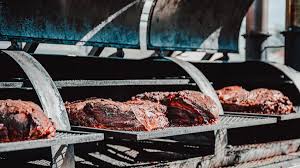
“The best barbecue places aren’t always the prettiest. Look for the smoke, the line of local cars, and the simplicity of the menu. That’s where the magic is.” — An anonymous road food sage. The Open Road
Coastal Chronicles: From New England Lobster to California Tacos
Follow the coastlines, and your road food journey becomes a briny, fresh, and vibrant affair. In New England, the pilgrimage is to a weathered clam shack. The ritual involves ordering a lobster roll—where the focus is on the quality of the sweet, knuckle and claw meat, lightly bound with a touch of mayo and perhaps a whisper of lemon—alongside a basket of fried whole-belly clams and a side of creamy chowder. The air smells of salt and fryer oil, a quintessential summer aroma. Contrast this with the Pacific Coast vibe, particularly in California. Here, the road food icon is the fish taco, believed to have originated in Baja California. It’s a study in perfect contrasts: lightly battered and fried (or grilled) fresh fish, a crunchy cabbage slaw, a creamy white sauce, and a squeeze of lime, all on a warm corn tortilla. It’s casual, bright, and emblematic of the West Coast’s health-conscious yet flavor-forward approach, often sourced from innovative food trucks with global influences. The Open Road
Heartland Harvest: Comfort Food and Cornfield Cuisine
The vast expanses of America’s Midwest are where you find road food that is unpretentious, hearty, and deeply satisfying. This is the land of the “tenderloin” – not the dainty filet mignon, but a breaded and fried pork cutlet pounded so thin it can cover an entire plate, famously found in Indiana and Iowa. It’s served on a bun that seems like an afterthought, a delicious exercise in edible architecture. Drive through Wisconsin, and the road food quest turns to the Friday night fish fry—a community tradition of beer-battered cod, lake perch, or walleye, served with coleslaw, rye bread, and a heaping portion of potato pancakes or fries. In the fall, roadside stands overflow with harvest bounty: sweet corn so fresh it can be eaten raw, giant pumpkins, and apple cider donuts, warm and cinnamon-dusted. This is food that sticks to your ribs and makes the long, straight highways feel like home. The Open Road
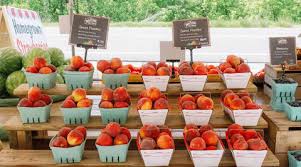
Roadside farm stands offer the freshest, most direct connection to local flavors and agricultural traditions.
Southwestern Spice: Chile, Smoke, and Handheld Feasts
The road food of the American Southwest is a bold, flavorful tapestry woven with Native American, Mexican, and cowboy influences. The undisputed king here is the chile pepper—both the red and the green. The question “Red or green?” is a fundamental part of ordering, and opting for “Christmas” means you get both. This fiery, flavorful sauce smothers everything from breakfast burritos—a massive, foil-wrapped parcel of eggs, potatoes, cheese, and chorizo essential for starting a desert drive—to cheeseburgers at iconic joints like Santa Fe’s Bobcat Bite. Then there’s the tradition of roadside barbacoa in Texas, slow-cooked cow’s head resulting in incredibly tender, smoky meat for tacos, often found only on weekends. Add in fry bread tacos from Navajo vendors, and the ever-present, life-giving oasis of a good local tortilleria, and you have a road food culture built on deep, complex flavors and practical, portable meals for a rugged landscape. The Open Road
The Art of the Hunt: How to Find the Best Road Food
Knowing the types of venues and regional specialties is one thing, but successfully discovering those hidden gems requires strategy. In the age of digital information and gut instinct, here’s how to separate the truly great from the merely convenient. The Open Road
Ditching the Chains: The Mindset Shift
The single most important rule in the pursuit of great road food is to consciously avoid the homogeneous strip of chain restaurants clustered at every interstate exit. This requires a deliberate mindset shift. See the familiar logos not as beacons of safety, but as sirens luring you toward culinary monotony. Promise yourself you’ll drive at least one exit further, or better yet, venture a few miles into the nearest small town. The reward for this small act of resistance is almost always a more interesting, authentic, and memorable meal. The goal is to eat where you are, not the same meal you could have had 500 miles ago. The Open Road
The Digital Toolkit: Apps and Online Sleuthing
Technology, when used wisely, is the modern road tripper’s best friend for finding road food. It has moved far beyond basic review sites.
- Food-Focused Apps & Websites: Platforms like Yelp and TripAdvisor are starting points, but dig deeper. Look for blogs dedicated to regional food or road tripping. Google Maps is invaluable; zoom into a town and search for “best burger,” “local diner,” or “bbq.” Read the most recent reviews and look at user-uploaded photos of the actual food.
- The Social Media Deep Dive: Instagram and TikTok are powerful visual search engines. Use geotags and location searches for the town you’re approaching. Hashtags like #[State]Eats or #[City]FoodTrucks can reveal real-time, mouth-watering evidence. A food truck with a vibrant, active Instagram story is likely a great find.
The Wisdom of the Locals: The Old-Fashioned Way
Sometimes the best technology is human conversation. Never underestimate the power of asking.
- Ask the Right People: Don’t just ask a hotel clerk for a “good restaurant.” Be specific: “Where would you go for the best breakfast burrito?” or “Is there a great roadside pie stand between here and the next town?” Gas station attendants, especially at independent stations, antique store owners, and local librarians are often treasure troves of information. The Open Road
- Read the Clues: Learn to read the landscape. A parking lot full of local license plates and work trucks at lunchtime is a universally good sign. A simple, weathered sign advertising a single specialty (e.g., “Pecan Pies Here” or “Smoked Brisket”) often leads to greatness. An overly elaborate menu is often a warning; the best spots do a few things exceptionally well. The Open Road
Planning vs. Serendipity: Striking the Balance
The perfect road food strategy lies in a balance between research and spontaneity. It’s wise to identify one or two “anchor” destinations—those iconic must-stop joints—and plot them into your route. This builds excitement. However, leave ample space in your schedule and your stomach for the unexpected discovery. The unplanned stop at a farmers’ market you see advertised on a hand-painted sign, or the irresistible aroma of smoke wafting from a roadside pit—these serendipitous finds often become the most cherished stories of the trip. Allow the road itself to make some suggestions.
The Practical Traveler’s Guide: Eating Well, Safely, and Happily
A seamless and enjoyable road food experience requires a bit of forethought beyond just finding the places. Managing your journey, your health, your budget, and your fellow travelers is key to keeping the adventure fun from start to finish. The Open Road The Open Road
Navigating Dietary Needs on the Road
For those with dietary restrictions, finding suitable road food can feel daunting, but it’s far from impossible with some proactive planning.
- Research is Key: Before arriving in a new area, use apps like HappyCow (for vegan/vegetarian) or Find Me Gluten Free to identify safe options. Many local food trucks and modern diners now cater to these needs.
- Communication is Crucial: Don’t be shy about asking questions at the counter or in the drive-thru. Phrases like, “Is the chili made with meat stock?” or “Can that be cooked in a separate pan?” are important. Smaller, owner-operated places are often more flexible and knowledgeable than large chains.
- The Picnic Strategy: One of the safest and most enjoyable strategies is to combine a specialty find with a DIY component. Pick up a safe base—like rice from a Chinese restaurant or a baked potato from a steakhouse—and augment it with fresh, safe toppings from a grocery store or farmers’ market.
Budget-Friendly Feasting: Maximizing Flavor, Minimizing Cost
Eating on the road constantly can strain a budget, but road food, at its core, is often fantastic value. The key is prioritizing.
- Share and Sample: Portions are frequently generous. Order a couple of signature dishes to share family-style. This allows you to try more specialties without waste or expense.
- Lunch Over Dinner: Often, menus are similar but prices are lower at lunchtime. Target your big, sit-down road food experiences for the midday meal.
- Embrace the Snack and Graze Model: Not every stop needs to be a full meal. Build a day of culinary grazing: a pastry from a local bakery in the morning, a shared sandwich from a legendary deli at noon, fresh fruit from a stand in the afternoon, and a simple, light dinner. This spreads cost and calories.
- Hydrate Smartly: Constantly buying bottled water and soda adds up. Carry a reusable water bottle for everyone in the car and refill it at stops.
Health and Safety: A Priority at Every Stop
The excitement of discovery should never override basic health and safety.
- Freshness and Foot Traffic: High turnover is your friend. A busy establishment is less likely to have food sitting around. Observe general cleanliness, both in the dining area and, if visible, the kitchen.
- Temperature Awareness: Be cautious with perishable items at roadside stands on very hot days. If you’re buying items like meat pies or dairy-heavy desserts, have a cooler in the car.
- Food Handling: Use the hand sanitizer in your car door before and after every stop. It’s a simple barrier against germs accumulated from fuel pumps, menus, and condiment bottles.
Keeping the Crew Happy: A Harmonious Car
A car full of hungry, cranky people can derail any journey. Manage the mood with these tactics.
- The Snack Buffer: Always have a backup stash of neutral, crowd-pleasing snacks (nuts, granola bars, pretzels) to stave off “hangry” mutinies while searching for the perfect spot.
- Take Turns Choosing: Let different travelers pick the stop or type of food for each meal. This gives everyone ownership and something to look forward to.
- Build in Breaks: Use road food stops as purposeful breaks, not just rushed pit stops. Choose places with outdoor seating, a nice view, or a small park nearby to stretch legs and let the meal settle. The experience is as important as the calories. The Open Road
Road food is best shared. It creates communal memories and turns a simple meal into a highlight of the journey.
The Global Road: Street Food Cultures Around the World
The philosophy of road food is a universal language, though the dialects of flavor change magnificently from country to country. Looking beyond the American highway reveals a world of incredible mobile cuisine. The Open Road
Asian Street Food Hubs: A Symphony of Woks and Stalls
In much of Asia, road food isn’t an alternative to dining; it is the heart of the culinary scene. In Thailand, the bustling night markets are a sensory overload, with sizzling woks producing pad thai, skewers of satay with peanut sauce, and bowls of aromatic boat noodles. In Singapore, the world-famous hawker centers are structured temples to road food, where Michelin-starred chicken rice shares space with fiery laksa. Japan offers the precise artistry of takoyaki (octopus balls) and okonomiyaki (savory pancakes) from street-side griddles, while Vietnam’s entire cities are perfumed with the smell of pho broth and sizzling banh mi being assembled on every corner. The emphasis is on fresh, fast, explosive flavors, and eating while walking is not just accepted but expected. The Open Road
European Traditions: From Market Squares to Christmas Markets
Europe approaches road food with its own timeless charm. It’s often tied to daily rituals and seasonal celebrations. In Italy, the aperitivo hour features small bites, but one also finds pizza al taglio (by the slice) shops and bustling market squares with porchetta sandwiches. In Germany, the Imbiss stand is a fixture, serving up currywurst and bratwurst with a roll, while the winter Christkindlmarkets transform town squares into wonderlands of sizzling sausages, roasted chestnuts, and mulled wine. France offers its crisp, perfect crêpes from street-side windows, and Spain has its pinxtos bars, where small, exquisite bites are laid out on counters. The European model often revolves around high-quality, simple ingredients enjoyed in public, social spaces. The Open Road
Latin American Vitality: Antojitos and Asados
The vibrancy of Latin American culture is expressed perfectly in its road food. In Mexico, the term antojito (“little craving”) encompasses a universe of tacos, tamales, elotes (grilled corn), and fresh fruit cups from carts on nearly every street. In Brazil, the beachside barracas serve grilled cheese on sticks (queijo coalho) and icy açaí bowls. Throughout Argentina and Uruguay, the scent of the asado (barbecue) fills neighborhoods, with roadside parrillas serving incredible grilled meats. This is food that is bold, colorful, often spicy, and deeply communal, meant to be eaten with your hands and shared among friends. The Open Road
The Future of Road Food: Trends and Sustainability
The world of road food is not static. It evolves with our tastes, technology, and concerns. Several key trends are shaping its future, making it more diverse, accessible, and responsible. The Open Road
The Gourmetization and Fusion Movement
The line between “street food” and “restaurant cuisine” continues to blur. Food trucks led the charge, but now even roadside stands are offering elevated, chef-driven takes on classics. You might find a farm-to-table taco truck sourcing heirloom corn, a vegan jerk “chicken” stall, or a donut shop experimenting with flavors like lavender-honey or miso-caramel. Global fusion is the norm, leading to delicious hybrids like Korean-Mexican bulgogi tacos or Indian-inspired pizza. This trend elevates the entire road food scene, offering incredible quality and creativity without the formality or price of a sit-down restaurant.
Technology’s Role: From GPS to Ghost Kitchens
Technology is streamlining the road food experience. Mobile payment apps make transactions at food trucks and markets seamless. Sophisticated GPS allows trucks to broadcast their real-time location via social media. Some entrepreneurs are even operating “ghost kitchens” that cater primarily to delivery drivers but also have a walk-up window for road trippers, offering a curated menu from a virtual brand. Apps dedicated to finding and reviewing local, non-chain food are becoming more sophisticated, making the “hunt” easier and more reliable for travelers. The Open Road Roadfood.com:
Sustainability and the Conscious Consumer
As awareness grows, both vendors and consumers of road food are thinking more sustainably. You’ll see more food trucks using compostable plates and utensils. Farmers’ markets and roadside stands are the original zero-waste, low-food-mileage champions. Travelers are increasingly carrying their own reusable utensils, cups, and straws. The focus on local sourcing isn’t just about flavor anymore; it’s about supporting local economies and reducing environmental impact. The future of road food is not only delicious but also thoughtful.
Your Road Food Journey Awaits
The pursuit of road food is, ultimately, a pursuit of connection. It connects you to the land through its ingredients, to the people through their family recipes and small businesses, and to the timeless romance of the journey itself. It is an act of participation, not just consumption. It requires curiosity, a sense of adventure, and a willingness to be surprised.
So on your next drive, resist the easy exit. Venture into the town square. Follow the line of cars. Ask the question. Let the smell of wood smoke or baking bread guide you. Order the local specialty, even if you’re not sure what it is. Sit at the counter, strike up a conversation, and savor not just the meal, but the moment. Because years from now, you may forget the name of the hotel, but you will never forget the taste of that perfect pie, that life-changing taco, or that cup of coffee shared with a stranger as you watched the world go by from a vinyl booth. That is the enduring, delicious magic of road food.
Frequently Asked Questions (FAQs)
Q: What’s the difference between “road food” and “fast food”?
A: Fast food is standardized, corporate, and designed for speed and uniformity anywhere. Road food is local, independent, and variable. It reflects its specific location, often with unique recipes, character, and a connection to the community. It’s about the experience of the place, not just speed.
Q: How can I ensure the food from a roadside stand or truck is safe to eat?
A: Look for high customer turnover (a busy spot has fresh food), observe general cleanliness, check that hot food is served hot and cold food is properly chilled, and trust your instincts. A clean, organized vendor who takes pride in their setup usually takes pride in their food safety as well.
Q: I’m a vegetarian/vegan. Can I still enjoy a road food trip?
A: Absolutely! Research is your best tool. Use apps like HappyCow, seek out modern food trucks (which often have vegan options), look for ethnic cuisine like Indian or Mexican that have plant-based staples, and don’t hesitate to ask for modifications at local diners (e.g., a veggie omelet or a grilled cheese).
Q: What are a few essential items to pack for a road food adventure?
A: A cooler with ice packs (for leftovers and market finds), a roll of paper towels or napkins, hand sanitizer, reusable water bottles, wet wipes for messy eats, and a basic picnic kit (utensils, plates) for impromptu stops at scenic viewpoints.
Q: How do I find the best, most authentic local spots in a small town I’m passing through?
A: Skip the main highway strip and drive to the old town center. Look for places crowded with local vehicles at meal times. Ask for recommendations at a local hardware store, post office, or independent gas station. Search online for the town’s name plus “best breakfast” or “local favorite.”