

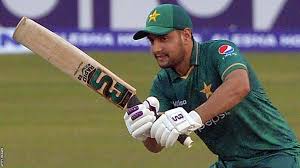
The Meteoric Rise of a Modern Batting Prodigy
The landscape of Pakistani cricket is often painted with the brush of raw, untamed talent—a legacy of blistering pace and audacious strokeplay. In recent years, a new name has been etched into this vibrant canvas with bold, exciting strokes: Haider Ali. His emergence is not just the arrival of another promising youngster; it feels like the unveiling of a archetype, a batter built for the modern game’s demands. Haider Ali burst onto the scene not with a whisper, but with a resonant bang that echoed through the corridors of domestic circuits, the glamour of the Pakistan Super League, and onto the international stage. His journey, while still in its early chapters, is a compelling narrative of power, precision, and the immense pressure that accompanies the label of being a “chosen one” in a cricket-mad nation.
What sets Haider apart is the palpable sense of occasion he carries to the crease. There is a fearless demeanor, a clarity of intent that belies his years. He doesn’t merely look to survive; he looks to dominate, to impose his will on bowlers from the very first ball. This inherent aggression, channeled through a technically sound base, makes him a spectacle, a player who can change the complexion of a game within a handful of deliveries. In an era where T20 cricket dictates trends and career paths, Haider Ali has showcased a rare versatility, displaying the temperament for longer formats as well, hinting at a complete batter in the making. His story is one of a small-town boy from Attock, whose dreams, fueled by sheer hard work and prodigious talent, are now being played out on the world’s most famous cricket grounds.
The Forge of Talent: Early Years and Domestic Foundations
Long before the bright lights of international stadiums, Haider Ali’s cricket was shaped on the quieter, dustier grounds of Punjab. Hailing from Attock, his passion for the game was evident from a young age. The domestic cricket system in Pakistan, often criticized yet perennially productive, served as his crucible. It was here that the raw materials of his talent were heated, hammered, and gradually refined into something more structured. His performances at the junior levels were consistently eye-catching, marked by a penchant for big scores at a rapid pace. He didn’t just accumulate runs; he announced them, with a flair that made selectors and pundits take note.
Progressing through age-group cricket, Haider’s reputation grew. He represented Pakistan at the U16 level, and his seamless transition to U19 cricket was a sign of his accelerating development. The domestic first-class and List A tournaments became his proving ground. Playing for Northern and various other teams, he faced seasoned campaigners, learned to build innings against moving red balls, and honed his white-ball explosiveness. These years were critical. They were not just about scoring runs but about building the mental scaffolding required for higher pressure. The grind of domestic cricket taught him patience, the value of concentration, and the importance of converting starts—lessons that would form the bedrock of his future endeavors. This period was the essential, unglamorous apprenticeship that every great cricketer must serve, and Haider Ali served it with distinction, piling up runs and demand for his inclusion at higher levels.

Haider Ali’s technique was forged in the demanding arena of Pakistan’s domestic cricket.
A Star is Born: The U19 World Cup Breakthrough
If there was a single, defining moment that launched Haider Ali into the national consciousness, it was the 2020 ICC Under-19 Cricket World Cup held in South Africa. The tournament has historically been a launchpad for legends, and for Pakistan, it unveiled their newest batting star. Haider wasn’t just a participant; he was the tournament’s standout performer for his team, the engine of their batting lineup. His technique, already polished beyond his years, was on full display against the best young talents from across the globe. But it was his temperament that truly shone. In high-pressure knockout games, he stood tall, playing innings of substance and breathtaking aggression.
His century against arch-rivals India in the semifinal was an innings of pure class and statement-making intent. On a big stage, against a formidable attack, he played with a maturity that seemed to belong to a veteran, not a teenager. He mixed solid defense with explosive strokeplay, particularly through the off-side, driving and cutting with authority. That knock wasn’t just about winning a game; it was about announcing his arrival to the world. It screamed talent, yes, but also big-match temperament—a commodity often considered priceless in Pakistani cricket. The tournament ended with Haider finishing as Pakistan’s leading run-scorer, having stamped his authority with a blend of consistency and firepower. The cricket world sat up and took notice. The “Haider Ali” phenomenon had officially begun, and the pathway from U19 hero to senior international became a short, inevitable journey.
Conquering the Stage: Pakistan Super League (PSL) Exploits
The Pakistan Super League (PSL) is more than just a domestic T20 tournament; it’s a high-pressure cauldron, a glamorous showcase, and the fastest ticket to national recognition. For Haider Ali, the PSL wasn’t just a platform; it was a conquest. Representing Peshawar Zalmi, he didn’t just play; he enthralled. From his very first season, he displayed a rare fearlessness, taking on some of the world’s best bowlers—international stars and wily Pakistani veterans alike—with audacious confidence. His batting in the PSL became must-watch television, characterized by clean, powerful hitting and a wide array of shots.
What made his PSL performances so special was his ability to perform in clutch situations. He played match-winning knocks, often providing blistering starts that set the foundation for big totals. His strike rate, frequently soaring above 150, demonstrated his impact. He wasn’t accumulating; he was decimating. The PSL also showcased his evolution. Season after season, one could see subtle improvements—better handling of spin, more inventive shot-making, and a growing sense of responsibility at the top of the order. Under the mentorship of seasoned professionals like Darren Sammy and Wahab Riaz at Zalmi, he absorbed the nuances of T20 batting. The league proved he wasn’t a one-tournament wonder from the U19 World Cup; he was a genuine force, ready for the biggest stages. His PSL exploits made his eventual international debut not just a possibility, but a public demand.
The International Arena: A Promising Start and Inevitable Challenges
The much-anticipated international debut came in 2020, in a T20I against England. True to his nature, Haider Ali announced himself with a scintillating half-century, a knock brimming with the flair and fearlessness that had become his trademark. It was a dream start, confirming the hype and sending a wave of excitement through Pakistani cricket fans who had longed for a dynamic, modern batter. He followed this with promising performances across formats, including a Test debut where he showed glimpses of his compact technique against the red ball. The initial phase painted the picture of a seamless transition.
However, the path of a young international cricketer is rarely a smooth, upward curve. Haider, like many prodigies before him, encountered the inevitable period of adjustment and challenge. International bowling attacks are relentless; they study weaknesses, set intricate traps, and apply unending pressure. Haider faced phases where his aggressive intent veered into rashness, where the need for quick runs led to soft dismissals. Consistency, the holy grail for any top-order batter, proved elusive. He would play a breathtaking innings followed by a string of low scores—a pattern familiar in the careers of many attacking players. These challenges, however, are part of the forging process. They separate gifted players from great ones. The true test for Haider Ali is not in his undeniable talent, but in how he adapts, learns, and tempers his aggression with the situational awareness required at the highest level. This phase is crucial for his long-term development.
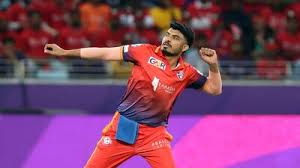
Facing international bowling requires constant adaptation, a challenge Haider Ali is navigating in his early career.
Deconstructing the Technique: The Hallmarks of Haider Ali’s Batting
To understand the excitement surrounding Haider Ali, one must dissect his batting technique. It is a fusion of classical foundations and contemporary aggression. At the crease, he presents a balanced, side-on stance, providing a solid base for both defense and attack. His backlift is high and purposeful, a signal of his intent to generate power. The hallmark of his batting is his exceptional hand-speed. The bat comes down in a swift, straight arc, allowing him to play shots even when he is slightly late or early on the ball. This quick blade speed is what enables those stunning back-foot punches and fierce pulls.
His strength is predominantly through the off-side. The cover drive, played with a full flourish and impeccable timing, is his signature shot. He equally excels at the square cut and the slash over point, punishing any width with ruthless efficiency. While his on-side play is strong, his evolution as a complete batter hinges on mastering the art of scoring all around the wicket. His footwork against spin is proactive; he looks to use his feet to get to the pitch of the ball or goes deep in his crease to cut. Against pace, he trusts his eye and reflexes, often standing still and relying on his hands to do the work, which can be both a strength and a vulnerability. The technical challenge ahead is to tighten his game around the off-stump and develop more scoring options when bowlers deny him width, forcing him to create opportunities rather than just capitalizing on loose deliveries.
The Mind of a Maverick: Temperament and On-Field Demeanor
Cricket, especially at the elite level, is played as much between the ears as it is on the pitch. Haider Ali’s temperament is a fascinating study. He exudes a palpable confidence that borders on audacity. There is no visible sign of nerves, no tentativeness when he walks out. This mental fortitude, this belief in his ability, is his greatest asset. It allows him to play his natural game irrespective of the situation or the bowler’s reputation. This “see ball, hit ball” philosophy is thrilling to watch and can be devastatingly effective in breaking a game open.
However, the fine line between fearlessness and recklessness is one he is still learning to tread. The very attribute that makes him a match-winner—his urge to dominate—can sometimes lead to his downfall. The next stage in his mental development is cultivating match-awareness: understanding when to unleash and when to consolidate, reading the game state, and building an innings according to the team’s needs. His on-field demeanor is positive and energetic; he is a livewire in the field and seems to enjoy the contest. Developing the patience for Test cricket and the strategic acumen for anchoring a T20 chase will be the true tests of his mental growth. Learning from his dismissals, working with coaches and senior players on scenario planning, and gaining experience in different pressure situations will be key to transforming his maverick spirit into consistent, match-defining performances.
| Aspect of Game | Current Strength | Area for Development |
|---|---|---|
| Power Hitting | Exceptional clean striking, high bat speed. | Targeting specific areas more consistently. |
| Off-Side Play | Elite cover driving and cutting. | Becoming equally potent on the leg-side. |
| Temperament | Fearless, confident, thrives on big stages. | Blending aggression with situational awareness. |
| Versatility | Has shown promise in all three formats. | Building a definitive role in each format. |
The Physical Pillar: Fitness and Athleticism in the Modern Game
Modern cricket is an athletic pursuit. The days of talented but less mobile players are gone. Haider Ali enters the fray as a product of this new era—an athlete as much as a cricketer. His fitness is evident in his running between the wickets, which is sharp and decisive, and his fielding, which is dynamic. He has manned key positions in the ring and the outfield, showing a safe pair of hands and a strong throwing arm. This all-round athleticism adds immense value to his team, making him a three-dimensional player.
For a power hitter like Haider, core strength, forearm strength, and explosive lower-body power are non-negotiable. His training regimen undoubtedly focuses on generating the torque and bat speed that make his shots so powerful. Furthermore, the relentless schedule of international cricket demands durability. Avoiding injuries, maintaining peak fitness throughout long tours and tournaments, and having the stamina to play impactful innings in humid conditions are all part of the professional package. As he matures, his commitment to a world-class fitness standard will be crucial in ensuring longevity and consistency. The physical demands of being a central figure in all three formats are immense, and how he manages his body will play a significant role in determining the ceiling of his career.
Guidance and Growth: The Influence of Coaches and Mentors
No cricketer, no matter how talented, develops in a vacuum. Haider Ali’s journey has been shaped by influential coaches and mentors at every step. From his early coaches in Attock who recognized his spark, to the system coaches at the National Cricket Academy (NCA) who worked on refining his technique, guidance has been pivotal. The role of Mohammad Wasim, the former chief selector who was an early and vocal advocate for his talent, was significant in fast-tracking his progression.
At the international level, working with batting coaches like Mohammad Yousuf, a artist of batting himself, would have provided invaluable insights into constructing innings. The influence of senior players like Babar Azam, from whom he can learn the art of consistency, and Shoaib Malik, with his wealth of T20 experience, is immeasurable. In the PSL, playing under Darren Sammy, a captain known for his calm leadership and tactical nous, offered lessons in handling pressure. The key for Haider is to remain a willing student, to absorb the wisdom offered, filter what works for his game, and continuously seek improvement. The right mentorship can help him navigate the pitfalls of early fame and channel his abundant talent in the most productive direction.
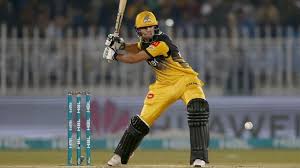
“Haider Ali has that rare gift of time. He plays fast bowling with ease, which is a sign of a very special player.” – Rashid Latif, Former Pakistan Captain
The Weight of Expectation: Carrying the Hopes of a Nation
In Pakistan, cricket is not just a sport; it’s a national passion, a unifying narrative, and often, an emotional rollercoaster. When a player like Haider Ali emerges, he doesn’t just carry his own ambitions; he carries the hopes of millions. He is seen as the next in a fabled line of Pakistani batting greats—the heir to the legacy of Zaheer Abbas, Javed Miandad, Inzamam-ul-Haq, and Mohammad Yousuf. The public and media expectation is immense and immediate. Every inning is dissected, every failure amplified, and every success hailed as the dawn of a new era.
Managing this external noise is perhaps one of the biggest challenges for any young Pakistani star. The key lies in building a strong mental firewall—focusing on the process, the advice of his support team, and his own game, rather than the swirling commentary outside. Learning from peers like Babar Azam, who has handled similar pressure with remarkable poise, will be instructive. The cricketing system also has a role to play in protecting its young assets, allowing them room to fail and grow without the sword of hyper-criticism constantly hanging over them. How Haider Ali shoulders this weight of expectation, transforming it from a burden into a source of motivation, will define not just his career, but also his personal journey in the spotlight.

Celebrating success is part of the journey, but managing constant expectation is the real challenge for a prodigy.
Beyond the Boundary: Off-Field Persona and Marketability
In the 21st-century sports ecosystem, an athlete’s influence extends far beyond the boundary rope. Haider Ali, with his dashing style and youthful energy, possesses significant marketability. He represents a new, confident generation of Pakistani cricketers. Brands are naturally attracted to his appeal, and he has already begun to feature in endorsements and advertising campaigns. This off-field persona, if managed well, can create a positive, modern image for Pakistani cricket and build a lasting personal brand for Haider himself.
However, this comes with its own set of responsibilities. Balancing commercial commitments with cricketing priorities is a tightrope walk. The focus must remain unequivocally on performance; the endorsements are a byproduct of success on the field, not a distraction from it. Learning from the examples of global sports stars who maintain a sharp focus on their profession while building their brand is essential. His conduct in public, his engagement with fans on social media, and his representation of his country off the field all contribute to his overall legacy. Navigating fame with humility and maintaining a genuine connection with his roots will endear him further to the public and ensure his popularity is built on a solid foundation.
Comparative Analysis: Haider Ali in the Pantheon of Young Stars
The current era is blessed with a plethora of young batting talent across the cricketing world. Players like Shubman Gill of India, Will Pucovski of Australia, and Ollie Pope of England have all shown immense promise. Placing Haider Ali within this global context is interesting. While Gill and Pope have showcased remarkable technical prowess and a propensity for big red-ball scores, Haider’s primary calling card, at least initially, has been his explosive white-ball prowess. His game is built on power and intent, similar in some ways to a young Rishabh Pant or England’s Liam Livingstone, but with what many believe is a more technically correct base for all formats.
His challenge is to bridge the gap between formats successfully. Can he, like Virat Kohli did earlier, translate his white-ball dominance into consistent Test match performance? Does he have the game to anchor an innings in ODIs? These are questions that will be answered in the coming years. His unique selling proposition is his combination of fearlessness and technique—a blend that, if fully realized, could make him one of the most destructive and versatile batters of his generation. The race among these young talents is not just about individual stats, but about who can sustainably deliver for their team across conditions and formats, and Haider Ali has all the ingredients to be at the forefront of that race.
The Road Ahead: Potential, Projections, and the Path to Greatness
The future for Haider Ali is blindingly bright, but the path is demanding. The potential is unquestionable; he has shown flashes of brilliance that few can replicate. The projection is that he will be a mainstay in the Pakistani batting lineup for the next decade, a lynchpin in their T20 team, and a potential game-changer in ODIs and Tests. However, moving from potential to greatness requires a meticulous and dedicated journey. Haider Ali Player Profile
The immediate road ahead involves working tirelessly on the identified areas of improvement: tightening his game plan, building consistency, and developing a more nuanced understanding of match situations. He needs to build an innings, play the conditions, and become a player who can be relied upon to deliver when the team is in trouble, not just when they are on top. Physically, maintaining peak fitness is non-negotiable. Mentally, developing resilience to bounce back from failures will be key. Technically, continuous fine-tuning with his coaches will ensure he stays ahead of bowlers who are constantly devising plans against him. If he can marry his natural aggression with growing wisdom, the cricketing world could be witnessing the rise of a true superstar, one capable of defining an era for Pakistani cricket.
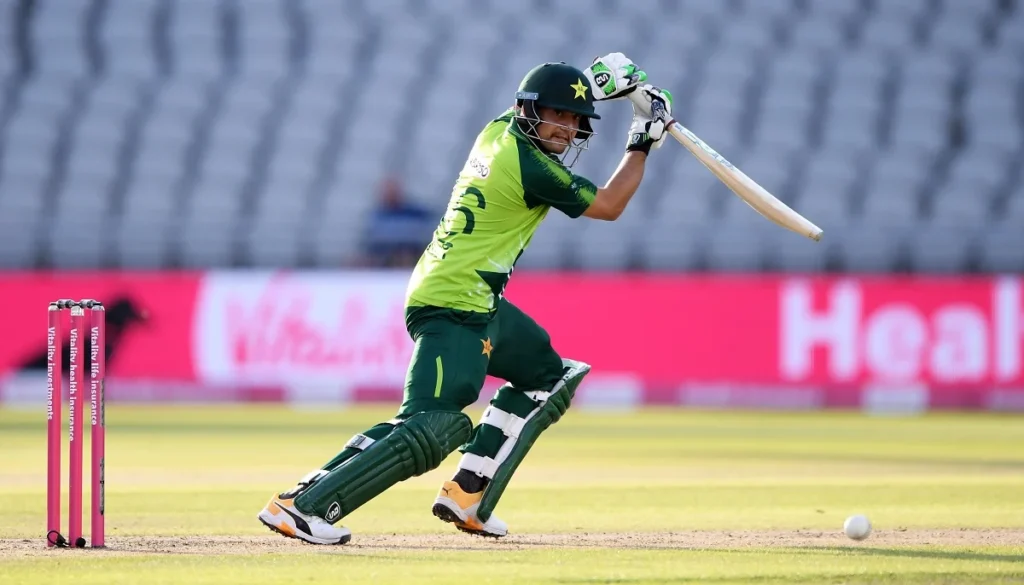
The future of Pakistani cricket is being written by a new generation, with Haider Ali poised to be a central character in the story.
A Legacy in the Making: The Final Word on Haider Ali
In conclusion, Haider Ali is more than just a promising cricketer; he is a symbol of the vibrant, attacking future that Pakistani cricket is striving towards. His journey from the fields of Attock to the iconic stadiums of the world is a testament to his talent and hard work. He brings a brand of cricket that is not only effective but also exhilarating, a quality that fills stadiums and captivates audiences. While the challenges of consistency and adaptation at the highest level are real, his foundational attributes—prodigious talent, fearless temperament, and a strong work ethic—provide a robust platform for success.
The narrative of Haider Ali is still being written, and its upcoming chapters are eagerly awaited by fans and pundits alike. Will he become the consistent, world-beating batter that Pakistan craves? Only time and his own dedication will tell. But one thing is certain: whenever Haider Ali walks to the crease, a sense of anticipation crackles in the air. He is a reminder of the pure, unadulterated joy of watching a young talent express itself without fear. As he continues to learn, grow, and refine his extraordinary gifts, the hope is that he will fulfill his destiny, not just as a fleeting sensation, but as a pillar of Pakistani cricket for years to come, and so on. His story is a compelling one, and the cricketing world is watching with bated breath.
Frequently Asked Questions (FAQs)
Q1: When did Haider Ali make his international debut for Pakistan?
Haider Ali made his international debut for Pakistan in a T20 International against England on September 1, 2020, scoring a brilliant 54 runs on debut.
Q2: What is Haider Ali’s most famous innings?
His most famous innings is widely considered his century (102*) for Pakistan U19 against India U19 in the semifinal of the 2020 ICC Under-19 World Cup, a match-winning knock under immense pressure.
Q3: Which PSL team does Haider Ali play for?
Haider Ali plays for Peshawar Zalmi in the Pakistan Super League (PSL), where he has established himself as a key explosive batsman at the top of the order.
The Dubai Capitals vs Desert Vipers Rivalry: A Definitive Guide to the ILT20’s Marquee Clash