


Breaking into the AC Business Launching a successful air conditioning business is a challenging yet immensely rewarding endeavor. The industry demands a unique blend of technical expertise, sharp business acumen, and unwavering dedication to customer service. For those with a background in HVAC or a fierce entrepreneurial spirit, breaking into this field represents a chance to build a stable, in-demand enterprise. The journey from concept to a fully operational company involves navigating a maze of certifications, market analysis, and strategic planning. This article serves as your comprehensive roadmap, detailing every critical step from the initial spark of an idea to establishing a reputable and profitable brand. We will delve into the foundational aspects, the operational intricacies, and the advanced strategies that separate thriving businesses from those that struggle to gain traction. The path is complex, but with the right guidance and a commitment to excellence, your venture into the world of climate control can lead to a cool and prosperous future. Breaking into the AC Business
Understanding the HVAC Industry Landscape
Before committing resources, a deep understanding of the heating, ventilation, and air conditioning sector is non-negotiable. This industry is not monolithic; it comprises several segments including new construction installations, retrofit and replacement services, routine maintenance contracts, and emergency repairs. Each of these avenues presents different challenges, profit margins, and customer relationship dynamics. The market is influenced by factors such as regional climate, local building codes, technological advancements like smart thermostats and inverter-driven systems, and shifting environmental regulations concerning refrigerants. Furthermore, the competitive landscape can vary wildly from one locale to another, ranging from highly saturated urban markets with numerous established players to underserved rural areas where opportunity abounds. A prospective business owner must analyze these elements thoroughly. This means studying seasonal demand fluctuations, identifying the primary competitors and their service gaps, and recognizing the economic drivers of the community they wish to serve. A failure to appreciate this broader context can lead to misguided business strategies. For instance, focusing solely on high-end installations in a market dominated by budget-conscious homeowners or aging infrastructure requiring frequent repairs would be a strategic misstep. Therefore, the first step toward breaking into the AC business is not picking up a wrench, but rather picking up a notepad and conducting meticulous market research to understand where your skills and services will be most valued and needed. Breaking into the AC Business
Crafting a Solid Business Plan
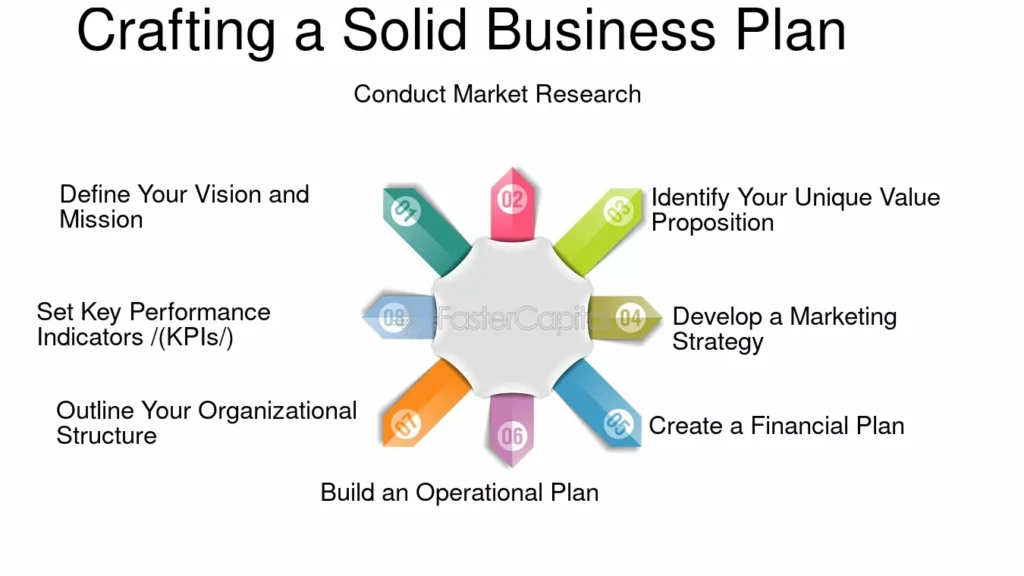
The cornerstone of any successful enterprise is a robust and detailed business plan. This document is far more than a formality for loan applications; it is your operational blueprint, financial forecast, and strategic compass all in one. A comprehensive plan forces you to answer difficult questions before they become costly mistakes. It should begin with a clear executive summary outlining your business vision, mission statement, and core objectives. From there, it must detail your company structure—will you operate as a sole proprietorship, a limited liability company (LLC), or a corporation? Each has distinct legal and tax implications. The marketing and sales strategy section is critical, defining your target customer demographics, your unique value proposition, and your plans for advertising, from digital marketing and search engine optimization to traditional methods like local flyers and vehicle signage. The operational plan must describe your service area, your suppliers for parts and equipment, your tools and vehicle requirements, and your daily workflow. However, the heart of the business plan is the financial projection. This includes startup cost estimates for licenses, insurance, initial inventory, and marketing. It must also feature realistic revenue forecasts, a break-even analysis, and detailed projections for profit and loss, cash flow, and balance sheets for at least the first three years. This financial rigor is what separates a hopeful dream from a viable business model. It allows you to understand your capital needs, manage your burn rate, and set measurable goals for growth. As the legendary management consultant Peter Drucker once noted, “Plans are only good intentions unless they immediately degenerate into hard work.” Your business plan is the map that guides that hard work in the most productive direction possible. Breaking into the AC Business
Securing Licensing, Insurance, and Certifications
Navigating the legal and regulatory requirements is a non-negotiable step in establishing credibility and operating legally. The specific licenses required can vary significantly by state, county, and even city. At a minimum, you will likely need a general business license and a specialized HVAC contractor’s license, which often requires proof of experience and passing a trade exam. Furthermore, many jurisdictions require a surety bond to protect consumers. Beyond licensing, proper insurance is paramount. General liability insurance protects your business from claims of property damage or bodily injury—imagine a technician accidentally causing water damage to a client’s antique furniture. Commercial auto insurance is essential for your service vehicles. Perhaps most crucial for tradespeople is workers’ compensation insurance, which covers medical costs and lost wages if an employee is injured on the job. From a technical credibility standpoint, certifications are your professional currency. While not always legally mandated, they are often demanded by manufacturers for warranty work and by discerning customers. The most recognized is the EPA Section 608 Technician Certification, which is federally required for anyone who purchases, handles, or works with refrigerants. There are four types, with Type II (for high-pressure systems) and Universal being most common for AC work. Other valuable certifications come from organizations like North American Technician Excellence (NATE), which signify advanced, tested knowledge in installation, service, and efficiency. Investing in these credentials is not just a bureaucratic hurdle; it is a powerful marketing tool and a commitment to quality that can justify premium pricing and build immense trust with your clientele from day one. Breaking into the AC Business
Investing in Tools, Equipment, and Vehicles
Your technical skill is only as good as the tools at your disposal. Starting an AC business requires a significant upfront investment in a professional-grade toolkit and reliable transportation. The basic tool inventory must include manifold gauge sets for refrigerant pressure readings, vacuum pumps for system evacuation, leak detectors, multimeters for electrical diagnostics, tubing tools for cutting and flaring copper lines, and an assortment of wrenches, screwdrivers, and power tools. Specialized equipment like nitrogen regulators for pressure testing and coil cleaning systems will also be necessary for comprehensive service. Beyond the hand tools, the service vehicle is your mobile office and warehouse. A well-organized van or truck is critical for efficiency. It should be equipped with secure shelving and bins to store common parts (capacitors, contactors, filters, line sets), refrigerant cylinders, and tools safely while in transit. Branding this vehicle with your company logo, contact information, and a simple, clean design is one of the most effective forms of local advertising. As your business grows, you may need to invest in more advanced diagnostic tools, such as combustion analyzers for furnaces or thermal imaging cameras to detect insulation gaps or electrical hot spots. The initial capital outlay for quality equipment is substantial, but purchasing durable, professional-grade items from the start saves money on replacements and repairs down the line and enables you to perform jobs correctly and efficiently, leading to higher customer satisfaction and more referrals. Skimping on tools is a false economy that can lead to callbacks, damaged equipment, and a tarnished reputation. Breaking into the AC Business
Developing a Strong Service Portfolio
A common mistake for new HVAC businesses is trying to be everything to everyone without a clear focus. A stronger strategy is to develop a core service portfolio that you can execute flawlessly and then expand deliberately. For most startups, this core should revolve around residential maintenance, repair, and replacement. Offering seasonal maintenance tune-ups is an excellent entry point. These services provide recurring revenue, build long-term customer relationships, and often lead to the discovery of more lucrative repair or replacement work. Your portfolio should clearly define what each service includes—for example, a standard AC tune-up might involve cleaning condenser coils, checking refrigerant levels, inspecting electrical components, calibrating thermostats, and ensuring system airflow is optimal. Beyond maintenance, you must be proficient in diagnosing and repairing common failures like compressor issues, refrigerant leaks, faulty capacitors, and frozen evaporator coils. For the replacement side, you should establish relationships with one or two major equipment manufacturers to offer homeowners clear options, such as a good, better, best selection in terms of efficiency (SEER rating) and features. As expertise and capital grow, you can consider adding complementary services like indoor air quality solutions (air purifiers, humidifiers), duct cleaning, or even commercial HVAC work. The key is to master your core offerings before diversifying. A focused, high-quality service list presented in a clear, professional menu builds confidence and helps customers understand exactly what they are purchasing.
Mastering Installation and Maintenance Protocols
The longevity and efficiency of an air conditioning system are directly tied to the quality of its installation and the consistency of its maintenance. A perfect installation is a silent salesman for your business, while a sloppy one is a source of endless headaches and bad reviews. The installation protocol begins with a proper load calculation, not a rule-of-thumb guess. Using Manual J (for load) and Manual D (for ductwork) standards ensures the new system is correctly sized for the home’s square footage, insulation, window placement, and local climate. An oversized unit will short-cycle, failing to dehumidify properly and wearing out quickly; an undersized unit will run constantly and never reach the desired temperature. Once sized, the installation involves meticulous attention to detail: ensuring the condenser pad is level, brazing refrigerant lines with nitrogen to prevent oxidation contamination, pulling a deep vacuum to remove moisture and non-condensables, and charging the refrigerant to the exact manufacturer specification. Ductwork must be sealed and insulated. The electrical connections must be secure and to code. Maintenance, on the other hand, is the practice of preventive medicine for HVAC systems. A comprehensive maintenance visit goes beyond a simple filter change. It includes cleaning the indoor evaporator coil and outdoor condenser coil, checking and adjusting refrigerant charge, measuring superheat and subcooling, inspecting and cleaning drain lines, lubricating moving parts where applicable, tightening electrical connections, and testing system controls and safety devices. Documenting these steps with photos or checklists to share with the homeowner adds tremendous value and transparency. Mastering these protocols requires continuous training and a culture of quality over speed. It is this commitment to technical excellence that allows a business to command higher prices, secure long-term service agreements, and earn the invaluable trust of the community. Breaking into the AC Business
Implementing Effective Marketing Strategies
In today’s competitive environment, a great technician alone does not guarantee a successful business. You must be able to consistently attract and convert new customers. A multi-channel marketing strategy is essential. Your digital presence is your new storefront. A professional, Breaking into the AC Business mobile-friendly website is non-negotiable. It should clearly state your services, service area, contact information, and include a blog for sharing helpful content (like “5 Signs Your AC Needs Servicing”) to improve search engine ranking. Claiming and optimizing your Google Business Profile is critical for appearing in local “AC repair near me” searches and collecting positive reviews. Social media platforms, particularly Facebook and Instagram, can be used to showcase completed projects, share customer testimonials, and run targeted local ads. However, do not underestimate traditional, offline marketing. Branded vehicles are rolling billboards. Building relationships with local real estate agents, property managers, and general contractors can lead to a steady stream of referral business. Offering a first-time customer discount or a referral incentive program can help spark initial growth. Furthermore, direct mail campaigns to specific neighborhoods, especially those with older homes likely to need system replacements, can be highly effective. The key is to track which methods generate the most leads at the lowest cost and double down on those. Marketing is not an expense; it is an investment in pipeline growth. It should communicate not just what you do, but why you are different—your reliability, your certification, your commitment to customer education, and so on. Breaking into the AC Business
Building a Stellar Customer Service Framework
Technical prowess gets you in the door, but exceptional customer service is what keeps clients coming back and referring others. In a service industry often associated with stress (e.g., a broken AC in mid-July), being a calm, communicative, and trustworthy professional is a massive competitive advantage. Breaking into the AC Business Your customer service framework should encompass every touchpoint. It starts with the initial phone call or online inquiry: is it answered promptly by a polite person or an automated system? Appointment scheduling should be flexible, with clear time windows. Technicians must arrive on time, in uniform, with shoe covers to protect the home. They should communicate clearly, explaining problems in layman’s terms, providing options without high-pressure sales tactics, and offering transparent, upfront pricing. Cleanliness is part of the service—leaving the work area cleaner than they found it. Follow-up is crucial: a call the next day to ensure the system is running properly, timely invoicing, and a system for requesting online reviews. Implementing a customer relationship management (CRM) software can help manage this process, tracking service history, scheduling reminders for annual maintenance, and personalizing communications. Handling complaints or service issues with grace and a focus on resolution, not blame, can turn a dissatisfied customer into a loyal advocate. As business guru Shep Hyken states, “Customer service is not a department; it’s everyone’s job.” In the AC business, where trust is the primary product, this philosophy is the foundation of sustainable growth. Breaking into the AC Business https://www.natex.org/
Pricing Your Services for Profit
Setting the right price is a delicate balance between remaining competitive in your market and ensuring your business is profitable enough to thrive and reinvest. The two most common pricing models are flat-rate and time-and-materials. The flat-rate model, where a customer is given a fixed price for a specific repair or installation before work begins, is increasingly popular. It reduces customer anxiety, makes budgeting easier, and simplifies your invoicing. It requires you to have meticulously calculated your costs (labor, parts, overhead, desired profit margin) for hundreds of common service scenarios. Time-and-materials (T&M) charges an hourly rate plus the cost of parts. While transparent, it can lead to customer disputes if a job takes longer than anticipated. For installations and replacements, pricing is typically a fixed quote based on the equipment cost, ancillary materials, estimated labor, and markup. Regardless of the model, you must fully understand your cost structure. This includes your direct costs (technician wages, parts, vehicle fuel) and your overhead (insurance, rent, utilities, marketing, tool depreciation). Your hourly rate must cover not just a technician’s wage, but also the time they spend driving, doing paperwork, and the benefits you provide. A common mistake is to price based solely on what competitors charge without knowing if they are actually profitable. Undercutting the market might win jobs initially but will lead to burnout and business failure. Conversely, premium pricing requires a premium, justifiable service offering. Clear, professional, and detailed quotes build the confidence that allows customers to accept a fair price for quality work. Breaking into the AC Business
Managing Operations and Scaling Your Business
Efficient day-to-day operations are the engine of your business. As you move from a solo operator to potentially having employees, systems become vital. This includes dispatching and scheduling software to optimize technician routes and minimize drive time between jobs. Inventory management systems prevent situations where a crucial part is missing, delaying a job and disappointing a customer. Reliable accounting software is needed for tracking income, expenses, payroll, and generating financial reports. Developing standard operating procedures (SOPs) for everything from answering the phone to performing a compressor replacement ensures consistency and quality as you grow. Scaling a business requires strategic hiring. The first hires might be an administrative assistant to handle calls and scheduling, freeing you up for more technical or sales-focused work, and then a junior technician you can mentor. Hiring is one of the most critical challenges; you need people who are not only skilled but who also embody your company’s customer service ethos. Training and continuing education must be ongoing investments. As the owner, your role will gradually shift from being the lead technician to being a manager, marketer, and strategic planner. Knowing when to delegate and systematize is the key to scaling without sacrificing the quality and reputation you worked so hard to build. It is a challenging transition, but it is necessary to move from a job that you own to a true, self-sustaining business enterprise. Breaking into the AC Business