

The fixture between Leeds United and Chelsea represents one of English football’s most intense, sporadic, and historically charged rivalries. It is a clash that transcends simple geographical or table-standing animosity, weaving together threads of social change, stylistic dichotomy, and raw, unadulterated competition. To understand Leeds United vs Chelsea is to delve into a narrative of two clubs whose fortunes have ebbed and flowed, often intersecting at moments of high drama and significance. This is not a derby in the traditional sense, but a collision of identities—the gritty, uncompromising Yorkshire resolve against the burgeoning glamour and cosmopolitan flair of West London. Their meetings are rarely mundane; they are spectacles of passion, often serving as a barometer for each club’s era-defining ambitions and struggles.
The rivalry’s roots are deeply embedded in the 1960s and 70s, a period where both clubs were powerhouses but embodied contrasting philosophies. Their battles were not just for points, but for the soul of English football’s future direction. The modern iterations of the fixture, following Leeds’ long-awaited Premier League return, have reignited this old flame with a new generation of fans, proving that some footballing animosities never truly fade. This article will dissect the multifaceted layers of the Leeds vs Chelsea dynamic, from its fiery origins to its tactical present, exploring the iconic matches, legendary figures, and the unique atmosphere that makes this fixture a permanent fixture in the folklore of the English game.
The Genesis of a Feud: Clashing Cultures in the 60s and 70s
To trace the origins of the rivalry, one must travel back to a time when English football was undergoing a seismic shift. Leeds United, under the meticulous and fiercely demanding Don Revie, were a machine of relentless efficiency and physical endurance. Revie’s Leeds were famed for their meticulous preparation, near-psychological warfare, and a will-to-win that bordered on the infamous. They were the ultimate domestic cup fighters, a team built in the hardened image of their industrial hometown. Chelsea, in stark contrast, represented the swinging sixties of London. Under the charismatic Tommy Docherty and later Dave Sexton, the Blues were associated with flair, fashionable young talents, and a more artistic approach to the game. They were the kings of King’s Road, attracting a different kind of supporter and media attention. Leeds United vs Chelsea
This fundamental clash of cultures—North vs South, industry vs glamour, pragmatism vs flair—laid the combustible foundation. Their matches during this era were brutal, epic contests, often with silverware at stake. The 1970 FA Cup Final replay, arguably the most physically demanding club match ever played on English soil, stands as the eternal testament to this era. It was a war of attrition that spilled over into controversy and mutual accusation, embedding a deep-seated mutual dislike that would simmer for decades. The rivalry was less about proximity and more about ideological conflict, a battle for supremacy between two very different Englands. Leeds United vs Chelsea

*The 1970 FA Cup Final replay is often cited as the most brutal and decisive chapter in the early Leeds-Chelsea story.*
The Modern Rekindling: A Rivalry Reignited
For two decades, the rivalry existed primarily in memory and bitterness, a relic of a bygone age kept alive by generations of fans. Leeds’ precipitous fall from the Premier League in 2004 and their subsequent struggles through the lower leagues meant this particular fixture was consigned to history books and highlight reels. Chelsea, meanwhile, transformed under Roman Abramovich’s ownership into a global superpower, regularly competing for the highest honors in Europe. The chasm between the clubs could not have been wider. However, football has a poetic sense of timing. Leeds United’s long, arduous journey back to the top flight, culminating under the manic energy of Marcelo Bielsa in 2020, set the stage for a monumental renewal. Leeds United vs Chelsea
The first Premier League meeting between the sides in over sixteen years, at Stamford Bridge in December 2020, was an event dripping with narrative. It was more than a game; it was a reopening of old wounds, a reminder of past glories and grudges. The match itself, a thrilling 3-1 Chelsea victory, showcased the stylistic contrast anew: Bielsa’s chaotic, man-marking press against Frank Lampard’s (and later Thomas Tuchel’s) more controlled possession. The sheer volume and passion from the traveling Leeds fans, even in partially filled pandemic stadiums initially, signaled that this was no ordinary away day. The rivalry was back, not as a relic, but as a living, breathing, and fiercely competitive modern Premier League fixture, connecting illustrious pasts to an unpredictable present. Leeds United vs Chelsea
Tactical Tapestry: Bielsa’s Chaos vs Chelsea’s Control
The tactical battles in the modern clashes have provided a fascinating subplot. Marcelo Bielsa’s Leeds United were a unique proposition: a team committed to an ultra-aggressive, man-to-man marking system across the entire pitch, relentless running, and offensive football as a form of defensive pressure. Facing Chelsea, who have operated under managers like Tuchel, Graham Potter, and Mauricio Pochettino, masters of structured possession, positional play, and defensive solidity, created a compelling chess match. It was footballing anarchy versus footballing order. Leeds United vs Chelsea
Chelsea’s approach often focused on exploiting the spaces inherently left by Leeds’ all-or-nothing style. The key was to break the initial press with quick, vertical passing and use the quality of midfielders like Jorginho or N’Golo Kanté to find gaps. For Leeds, success hinged on forcing turnovers high up the pitch and creating transitional chances before Chelsea’s defense could settle. Matches became breathless, end-to-end affairs, with the outcome often determined by which team could better execute its philosophical blueprint under intense physical duress. This technical and strategic layer added a rich, analytical dimension to the historical, emotion-driven rivalry. Leeds United vs Chelsea
| Aspect | Leeds United (Bielsa Era) | Chelsea (Modern Era) |
|---|---|---|
| Primary Philosophy | Verticality, Aggressive Man-Marking, Chaos | Controlled Possession, Positional Play, Structure |
| Defensive Approach | High Press, Man-to-Man All Over | Compact Mid-Block, Zonal Discipline |
| Attacking Focus | Direct Transitions, Width, Crosses | Build-Up Play, Central Creativity, Overloads |
| Key Vulnerability | Space in Behind, Fatigue | Breaking Low Blocks, Press Resistance |
Iconic Encounters: Matches That Defined the Rivalry
Beyond the 1970 FA Cup Final, several matches have come to define the essence of this fixture. The 1997 FA Cup quarter-final replay at Elland Road is one such encounter. A riotous match saw Chelsea triumph 3-1 in a game featuring a stunning goal from Gianfranco Zola and a palpable sense of hostility. It was a reminder of the enduring tension even in an era where Leeds were a force and Chelsea were on the cusp of their modern transformation. Fast forward to the modern era, and fixtures like the 3-1 Chelsea win in December 2020 or the thrilling 3-2 Leeds victory at Stamford Bridge in May 2022—a result that secured their Premier League survival—have already etched themselves into legend. Leeds United vs Chelsea
Each of these matches carries the hallmarks of the rivalry: high stakes, relentless intensity, moments of individual brilliance, and controversy. They are rarely sterile or tactical nullifications; they are emotional rollercoasters that deliver goals, drama, and talking points. These iconic encounters act as chapter markers in the ongoing story, referenced by fans of both sides as proof of their club’s spirit, quality, or injustice suffered. They are the shared history, for better or worse, that binds the two clubs in perpetual competition. Leeds United vs Chelsea

Modern meetings at a packed Elland Road carry the same electric charge as those of decades past.
Legendary Figures: Players Who Shaped the Battles
Every great rivalry is personified by its warriors. For Leeds, the combative spirit of Billy Bremner in the 70s set the tone—a leader who embodied Revie’s “side before self” mantra. Later, fighters like Lucas Radebe and the mercurial talent of Harry Kewell left their mark on fixtures against Chelsea. In the modern revival, the relentless running of Kalvin Phillips and the deadly finishing of Patrick Bamford became central to any success against the London side. These players understood the fixture’s extra weight, the need to match not just technical skill but also an almost irrational level of commitment. Leeds United vs Chelsea
For Chelsea, the list is equally storied. Peter Osgood’s elegance and goal-scoring in the 1970 final cemented his “King of Stamford Bridge” status. Dennis Wise, a captain combative enough to match any Leeds midfielder, later epitomized the fighting spirit. In the modern era, Frank Lampard’s goals from midfield were a constant threat, while the defensive resilience of John Terry provided a stark contrast to Leeds’ open style. Players like Mason Mount, with his relentless pressing and quality, seemed tailor-made for the frenetic pace of this particular clash. These individuals become heroes or villains depending on the persuasion, their legacies forever intertwined with this fixture. Leeds United vs Chelsea
“It was the toughest, most brutal game I ever played in. It was a different time, a different type of football. You didn’t just beat Leeds; you survived them.” – A former Chelsea player on the 1970 FA Cup Final replay.
The Fan Perspective: A Unique Atmosphere of Mutual Antipathy
The atmosphere at a Leeds United vs Chelsea match is distinct. It lacks the localized, neighborly hatred of a true city derby but replaces it with a broader, culturally fueled animosity. For Leeds fans, Chelsea represent a stereotype of southern softness, financial doping, and perceived media darlings. For Chelsea supporters, Leeds embody a bygone, overly physical style and a fanbase clinging to past glories. This mutual caricaturing fuels the chants, the tension in the stands, and the immense satisfaction derived from victory. Leeds United vs Chelsea
Elland Road on such a day is a cauldron of noise, with the Chelsea section often particularly vocal in response. The matches at Stamford Bridge see a significant and passionate away following from Yorkshire, ensuring the atmosphere is never one-sided. There is a historical respect buried deep beneath the surface, born of recognizing a worthy adversary, but it is rarely expressed outwardly on matchday. Instead, the air crackles with tribalism, making it one of the most anticipated and intense away days on the calendar for both sets of supporters. The passion is genuine, passed down through families, ensuring the rivalry’s vitality regardless of league positions. Leeds United vs Chelsea
Stylistic Evolution and Future Chapters
The nature of the rivalry, while rooted in history, is not static. With Leeds’ relegation in 2023 and subsequent managerial changes, and Chelsea’s ongoing project under new ownership, the tactical and personnel dynamics are in flux. The essence, however, remains. Whenever these two clubs meet, the historical baggage is unpacked, and the expectation is for a contest played on the edge. The future chapters of Leeds United vs Chelsea will be written by new managers, new players, and in new contexts—perhaps in cup competitions or promotion battles. Leeds United vs Chelsea
Yet, the core ingredients will persist: the cultural clash, the demand for intensity, and the shared memory of those epic battles from the 1970s to the present day. It is a rivalry that proves some fixtures are timeless, capable of lying dormant for years only to explode back into life with undiminished fervor. As both clubs navigate their respective futures, this fixture will always stand as a benchmark, a unique test of character, and a vivid reminder of English football’s rich and contrasting tapestry. Leeds United vs Chelsea https://www.bbc.com/sport/football
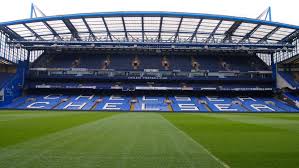
Stamford Bridge provides a formidable backdrop for this rivalry, with its own unique history and intensity.
Beyond the Pitch: Economic and Social Dimensions
The rivalry also mirrors broader economic and social shifts in England. Post-industrial Leeds and global London represent two different economic realities. The fanbase demographics, local identities, and even media portrayal of the clubs reflect this divide. Chelsea’s rise as a cosmopolitan club with global star players contrasts with Leeds’ identity as a club deeply rooted in its local community, symbolizing resilience and revival. This broader context adds depth to the rivalry, making it a fascinating study in how football clubs can embody the spirit and struggles of their cities. The friction on the pitch is, in many ways, a manifestation of these larger, off-pitch narratives about class, region, and change in modern Britain. Leeds United vs Chelsea
FAQs: Leeds United vs Chelsea
Q: Why is there such a big rivalry between Leeds and Chelsea?
A: The rivalry stems from the late 1960s/70s clashes between two of England’s top teams who represented opposing styles and cultures—Leeds’ gritty Northern pragmatism vs Chelsea’s fashionable London flair. The infamous, brutal 1970 FA Cup Final replay cemented the mutual animosity.
Q: What was the score in the famous 1970 FA Cup Final replay?
A: Chelsea won the replay at Old Trafford 2-1 after extra time, following a 2-2 draw at Wembley. The match is legendary for its physical intensity.
Q: How many times have Leeds and Chelsea met in major finals?
A: They have met in one major final: the 1970 FA Cup Final. They have also faced off in several semi-finals and pivotal cup ties over the decades.
http://Haider Ali: The Dashing Prodigy Redefining Pakistan’s Cricketing Future